Spotlight on Electrical Safety: Common Misconceptions Debunked
DD
Understanding Electrical Safety
Electrical safety is a critical aspect of maintaining a safe home and workplace. However, several misconceptions can lead to dangerous practices. This blog post aims to debunk some of these myths and provide factual insights to enhance your safety measures.
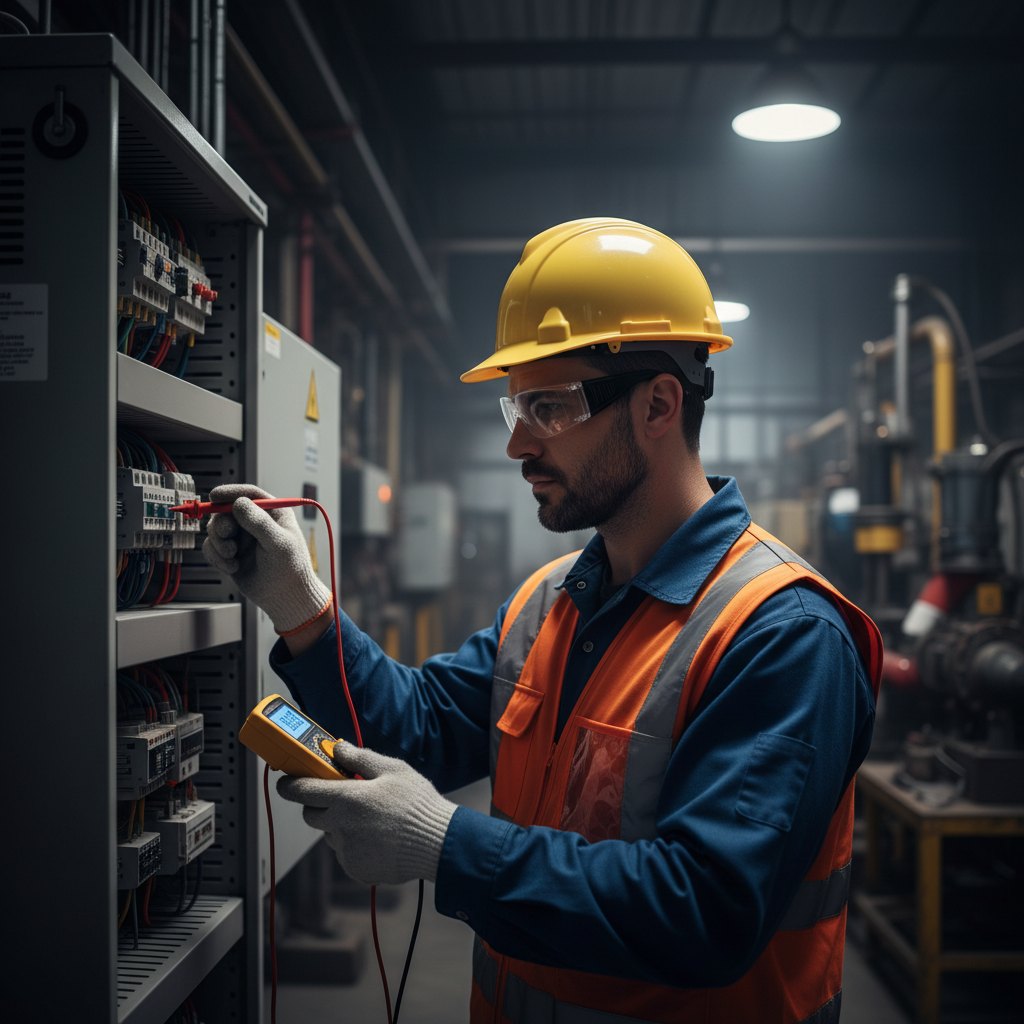
Myth: Only High Voltage is Dangerous
One common misconception is that only high voltage can cause harm. In reality, even low voltage can be dangerous if handled improperly. Electric shock can occur at voltages as low as 50 volts in certain conditions. It's important to treat all electrical sources with caution.
Always ensure that your electrical installations and devices are properly insulated and maintained. This practice helps prevent accidents and ensures a safer environment for everyone.
Myth: Rubber Gloves Protect Against Electricity
While rubber is a good insulator, not all rubber gloves offer protection against electricity. Ordinary household gloves are not designed for electrical work and may not provide the protection you need. Specialized rubber insulating gloves are essential for handling live wires.
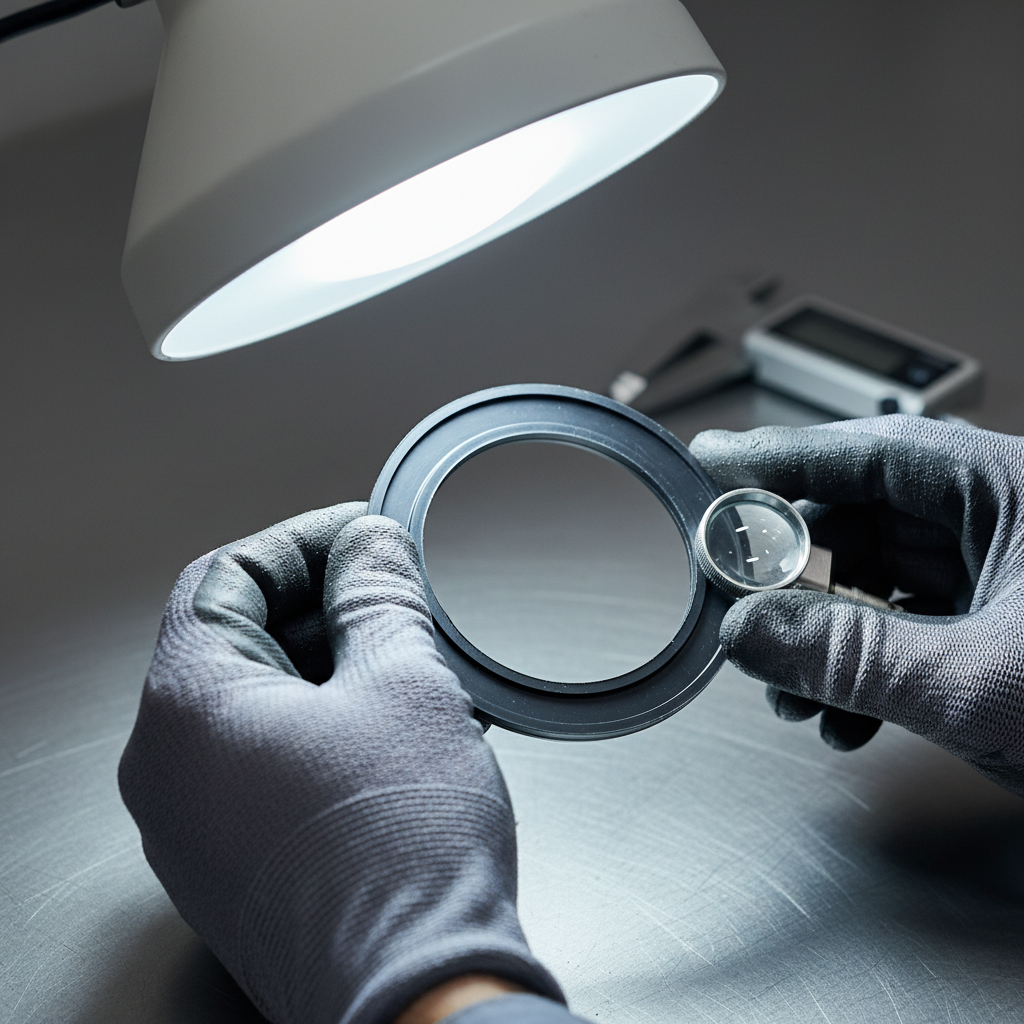
When working with electricity, always ensure you are wearing the correct protective gear. This includes gloves designed for electrical work, which are tested for specific voltage ratings.
Myth: Circuit Breakers Always Prevent Shocks
Circuit breakers are designed to cut the power when an overload or short circuit occurs, but they do not prevent electric shocks. It's crucial to use Ground Fault Circuit Interrupters (GFCIs) in areas with higher moisture levels, such as bathrooms and kitchens, to reduce the risk of shock.
GFCIs detect imbalances in electrical current and quickly shut off the power, providing an added layer of safety against electric shock.
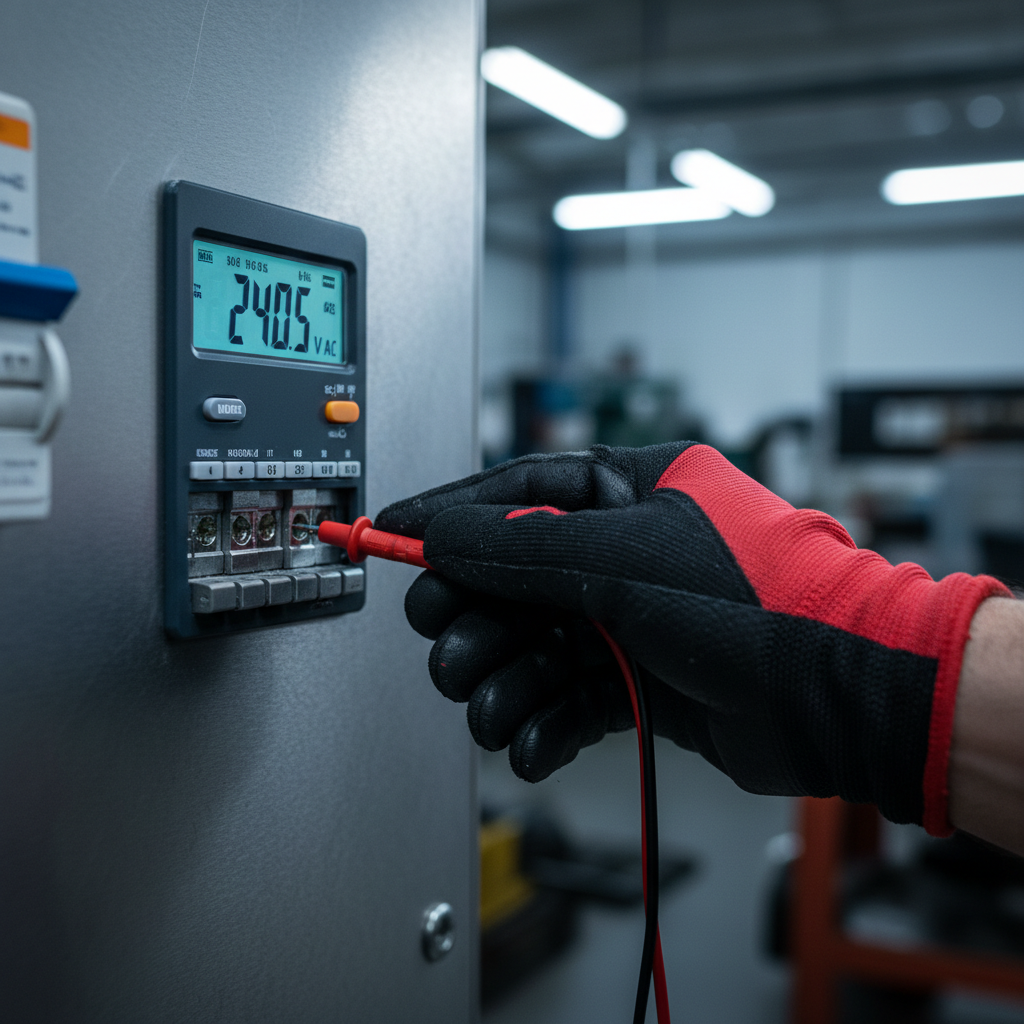
Myth: Electrical Systems Require No Maintenance
Another dangerous misconception is that electrical systems, once installed, require no further attention. Regular maintenance is essential to ensure that wiring and components are in good condition. Over time, wear and tear can compromise the safety of an electrical system.
- Schedule periodic inspections by a qualified electrician.
- Replace damaged wiring and components promptly.
- Keep electrical panels accessible and free from obstructions.
Myth: DIY Electrical Work is Safe
Many people believe they can handle electrical repairs or installations themselves. However, without proper training, attempting DIY electrical work can be extremely hazardous. Always hire a licensed electrician to perform electrical tasks to ensure safety and compliance with local codes.
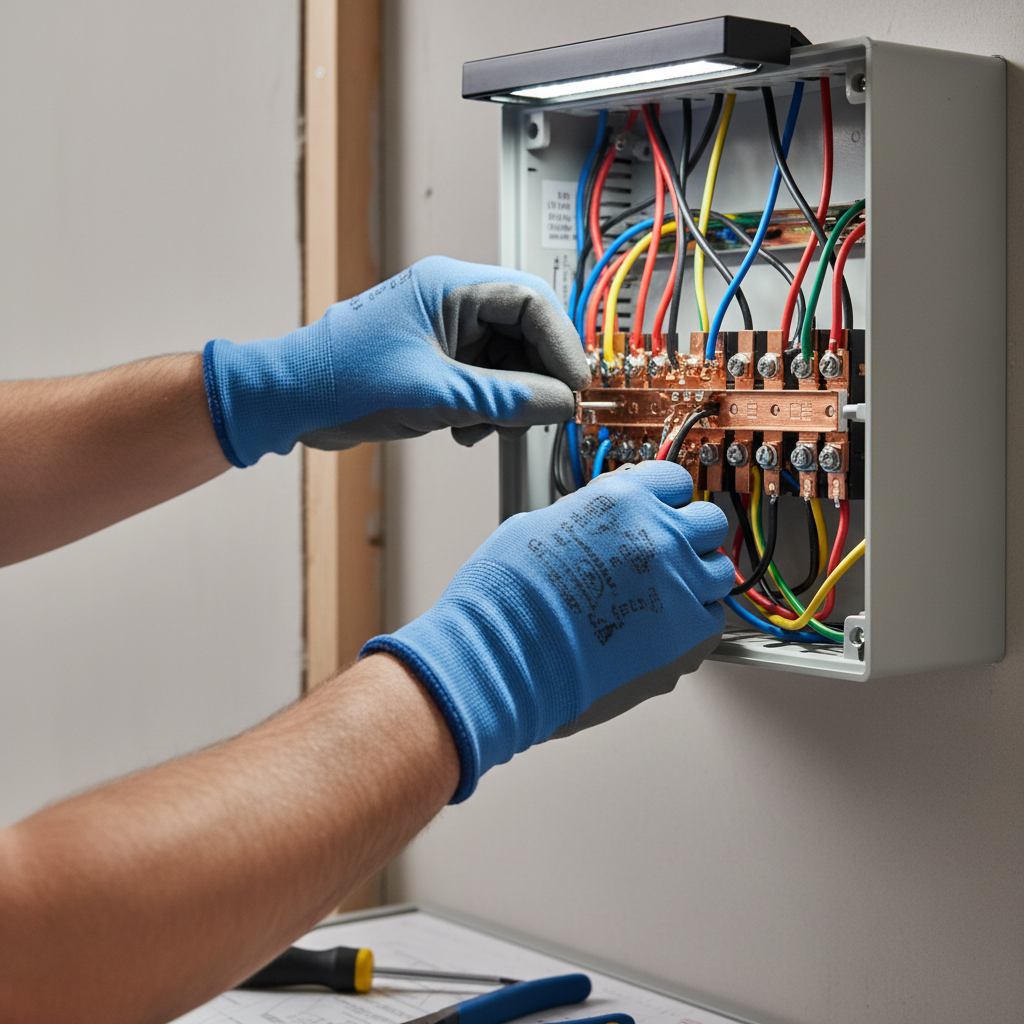
Professional electricians have the expertise and tools necessary to perform electrical work safely. They can also identify potential hazards that an untrained eye might miss.
Conclusion
Understanding and respecting electricity is crucial for safety. By debunking these common misconceptions, you can take proactive steps to protect yourself and your surroundings. Always prioritize safety and consult professionals when dealing with electrical issues.